


Summer camp is one of the most memorable experiences of childhood. It gives children the chance to build independence, make new friends, and explore interests beyond the classroom. For many families, though, the days before camp bring a mix of excitement and nerves. The good news is that preparation helps. Small, intentional steps, like practicing time apart, talking positively about camp, and involving your child in the process, can ease the transition and turn anxiety into anticipation. Use this 2026 checklist to get your child ready for a great summer.
Choose the Right Camp Together
The first step in preparing your child for summer camp is choosing and booking the camp. Start by considering your child’s interests. A child who loves sports may thrive at an athletic camp, while a child who enjoys art, science, or building things may prefer a creative or STEM-focused program. When a camp matches your child’s natural interests, the transition feels less intimidating and more exciting.
Involve your child in the decision-making process. Talk about the options, look at photos or descriptions together, and let your child ask questions. Children who feel they had a say in the choice are more willing to embrace the experience. Talk about camp early so there is time to get comfortable with the idea before the first day.
Families in Texas can search local directories like After School Hub to find summer camps in Houston, Austin, Dallas, Fort Worth, and San Antonio. Comparing programs by category, such as academic, arts, STEM, sports, and child care, can help you build a shortlist that fits your child’s personality and your family’s schedule.
Talk About Camp in Calm, Kid-Friendly Terms
How you talk about camp shapes how your child feels about it. Use one calm sentence and repeat it often. A simple, steady phrase like “Camp is a place to have fun and meet new friends” gives your child something familiar to lean on when worries pop up.
Describe camp in concrete, kid-friendly terms. Rather than saying “It will be great,” name what the camp actually offers. Talk about the swimming pool, the art room, the playground, or the counselors. Real details help a child picture the experience and feel more in control.
Keep communication clear and positive. Fight anxiety by focusing on the positive parts of camp, but avoid over-promising. If you do not know whether your child will love every meal or make a best friend on day one, do not guarantee it. Honest expectations build trust, and trust makes the goodbye easier.
Practice Independence and Time Apart
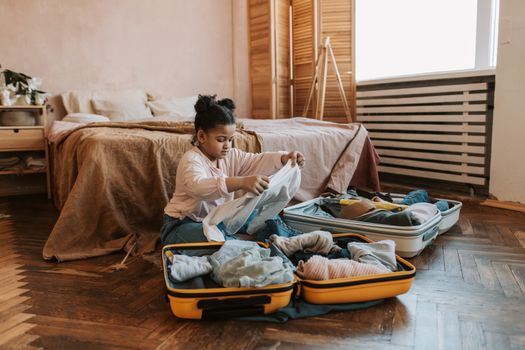
For many children, the hardest part of camp is being away from home. You can lower that hurdle by practicing small moments of independence before camp starts. Let your child order at a restaurant, pack their own bag, or pick their own clothes for the day. These tiny tasks build the confidence children need to handle camp on their own.
Practice being apart in low-stakes settings. A sleepover at a grandparent’s house, a playdate at a friend’s home, or an afternoon with a trusted caregiver gives your child a safe chance to manage separation.
You can also practice the goodbye routine at home. Keep it simple: a hug, a short phrase, and a confident walk out the door. When your child has practiced this routine with you, the real goodbye on the first day of camp feels familiar instead of frightening.
For overnight camp, try a device-free afternoon or weekend at home. This simple experiment shows children that they can entertain themselves without screens and still have a good time, which mirrors the slower, more social rhythm of camp life.
Plan the Medical and Paperwork Steps
Getting a medical exam before camp is an important part of preparation. Many camps require an updated physical, and a checkup helps catch any health concerns before your child leaves home.
Every camp has its own requirements, so verify what forms, immunizations, and medications are needed with the camp directly. Some camps ask for allergy action plans, while others have specific rules about how medicine is stored and given. Confirming these details in advance prevents stress on opening day and keeps your child safe throughout the session.
Pack Together With a Checklist
Have your child make a packing list. Even if you do the final packing, the simple act of writing down what they want to bring helps children feel invested in the trip. It also encourages them to think about what they really need.
Pack together and label items when possible. Start with any list the camp provides, then let your child add personal touches like a favorite stuffed animal, a book, or a journal. Keep communication clear about what is allowed. Many camps have rules about electronics, toys, or snacks, so check the camp’s guidelines before anything goes in the bag.

Create a Homesickness Plan Before You Go
Homesickness is a normal part of camp, but a simple plan can make it easier to handle. Create a homesickness plan with your child before camp begins. Talk about what they can do if they feel sad, such as writing a letter home, talking to a counselor, or looking at a family photo.
Keep communication clear during the session, but keep it light. If letters or scheduled calls are allowed, use them to share positive moments rather than expressing worry. Hearing a parent’s anxiety can make a child more anxious. Reassure your child that missing home is normal and that the feeling usually fades once they get involved in camp activities.
Encourage your child to tell a counselor when they feel homesick. Camp staff are there to help, and a friendly adult can guide a child toward a game, a craft, or a new group of kids.
Help Your Child Make New Friends
Making new friends is one of the biggest highlights of summer camp, but it can also be a source of worry for shy children. Prepare your child by talking about how to introduce themselves and join a group. Simple phrases like “Hi, my name is…” or “Can I play too?” make the first step easier.
Remind your child that everyone is new in some way. Even returning campers meet new people and learn new routines, so your child will not be the only one figuring things out.
You can practice social skills before camp through playdates and group activities. The more comfortable your child feels in group settings, the smoother the transition to camp will be.
A Simple 2026 Preparation Timeline
Stretching your preparation over several weeks keeps the process calm and manageable. Here is a timeline you can adapt to your family’s schedule.
Months Before Camp
Start early. Talk about camp, involve your child in choosing a program, and book the session once you have decided together. Schedule a medical exam for your child and confirm what forms the camp requires. The more time you leave for these steps, the fewer surprises you will face later.
Weeks Before Camp
This is the time to practice new skills. Build in small moments of independence, practice being apart, and try a device-free afternoon. Make a packing list with your child and gather any gear the camp recommends. Keep the conversation positive and calm as the start date gets closer.
Days Before Camp
Pack together and review the camp schedule with your child. Practice the goodbye routine at home and go over your simple homesickness plan one more time. Remind your child that camp staff are there to help. On the big day, stay calm, keep the goodbye brief and warm, and let camp work its magic.
Frequently Asked Questions
How do I prepare my child for summer camp 2026?
Start by choosing a camp that matches your child’s interests and involve them in the decision. Talk about camp early using calm, positive language, and avoid over-promising. Practice independence and time apart in small steps, schedule a medical exam, and pack together using a checklist. These actions help your child feel ready and excited for the session.
What is the first step in getting a child ready for camp?
The first step is choosing and booking the right camp. Consider your child’s interests and let them take part in the decision-making process. Talk about the camp while you wait for the season to begin. Once the choice is made, you can move on to the medical exam, packing, and practicing independence.
How can I help my child with homesickness at camp?
Create a simple homesickness plan before camp starts. Talk with your child about what they can do if they feel sad, such as writing a letter, talking to a counselor, or looking at a family photo. Keep communication light and positive, and remind your child that camp staff are there to help them get involved in activities.
How do I prepare my child for overnight camp?
For overnight camp, practice small moments of independence and try a device-free afternoon or weekend at home. Talk about camp in concrete terms and practice your goodbye routine before the first day. Explain what to expect regarding cabins, meals, and daily activities, and follow the camp’s guidance on packing and communication.
What should I do if my child is nervous about camp?
Use one calm sentence and repeat it often. Describe camp in concrete, kid-friendly terms and focus on the positive parts of the experience. Avoid over-promising, since honest expectations build trust. Practice being apart in small steps and involve your child in packing and preparation. If nerves continue, remind your child that camp counselors are there to help.
